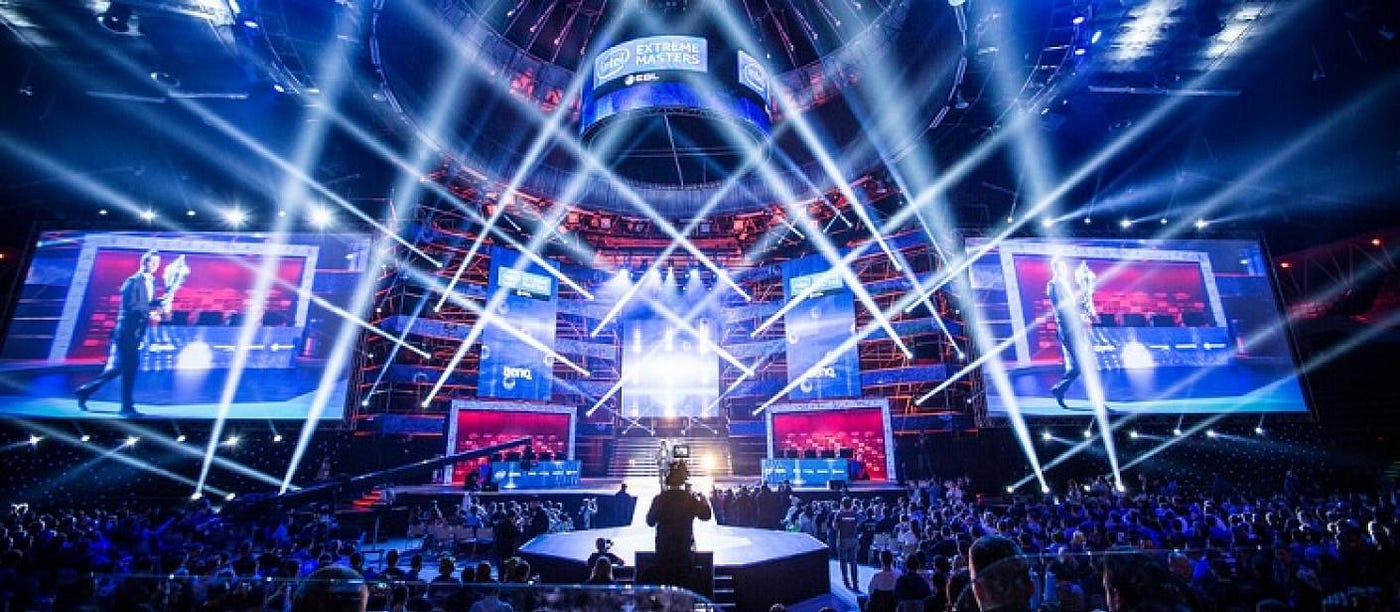
For years, traditional sports clubs have been a powerful marketing tool for brands. But in the digital age, esports clubs have emerged as a new arena and opportunity—especially for brands seeking to connect with younger audiences. So, what role do esports clubs play in marketing? Why do brands collaborate with them, and what kind of results do these partnerships yield? In this article, we explore the impact of esports clubs on the world of marketing from various angles.
1. Direct Access to Young Consumers
Esports clubs are highly effective in reaching Gen Z and Alpha Generation, typically aged 15–30.
- This demographic is more selective toward traditional ads but extremely loyal to the esports clubs they follow.
- Brands can build trustworthy connections with this audience through the clubs.
🎯 Example: In Turkey, clubs like BBL, FUT Esports, and S2G outperform many traditional sports clubs in social media engagement.
2. Emotional and Digital Brand Positioning Opportunities
Esports clubs are more than just teams that carry logos—they represent a lifestyle and are part of digital culture.
- This creates opportunities for brands to form deeper emotional bonds with their audience.
- Industries such as fashion, tech, food & beverage, and finance can craft content that aligns with this culture.
💡 Tip: Content-driven collaborations with esports clubs make the brand feel “real and authentic” in the eyes of younger audiences.
3. High Engagement on Social Media
The digital power of esports clubs is not limited to their in-game performance.
- They boast high engagement rates on platforms like Twitch, YouTube, TikTok, and Instagram.
- Co-branded campaigns lead to instant interactions, sharing loops, and viral content.
📱 Data Point: In 2024, some esports club accounts in Turkey averaged 2 million weekly interactions.

4. Influence on Purchasing Decisions
Fans of esports clubs tend to show loyalty to the club’s sponsors, influencing their buying behavior.
- This loyalty can directly impact product preferences.
- Items like team jerseys, gaming gear, or digital services used by the club are often embraced by followers.
🛍 Example: A clothing brand that sponsored a team jersey experienced strong sales figures among that team’s fanbase.
5. Effective Collaboration with Next-Gen Brand Ambassadors
Players and streamers in esports clubs are also powerful influencers in their own right.
- Their personal streams and social media accounts provide a secondary access point for brands.
- Brands can amplify their visibility by creating content with players in addition to the main sponsorship deal.
🤝 Success Story: Content partnerships formed in the club + player + brand triangle result in not just advertising, but emotional connection with the community.
6. International Exposure
Esports clubs’ regular participation in international tournaments allows brands to enter global markets.
- Global streams are watched by millions, increasing the reputation of Turkish brands on the world stage.
- Collaborations with Turkish clubs also boost sponsor visibility in Europe and the Middle East.
🌍 Example: A Turkish club’s success in Valorant or PUBG can significantly raise sponsor awareness in both Europe and the MENA region.
Conclusion
The role of esports clubs in marketing goes far beyond logo placement. These collaborations encompass loyalty, engagement, content creation, access to digital communities, and cultural resonance—offering brands far more than conventional advertising ever could.
By partnering with the right esports club, brands not only reach young audiences but also become part of their lifestyle. The future of marketing will be shaped by brands that understand gaming culture and can embed themselves within it.