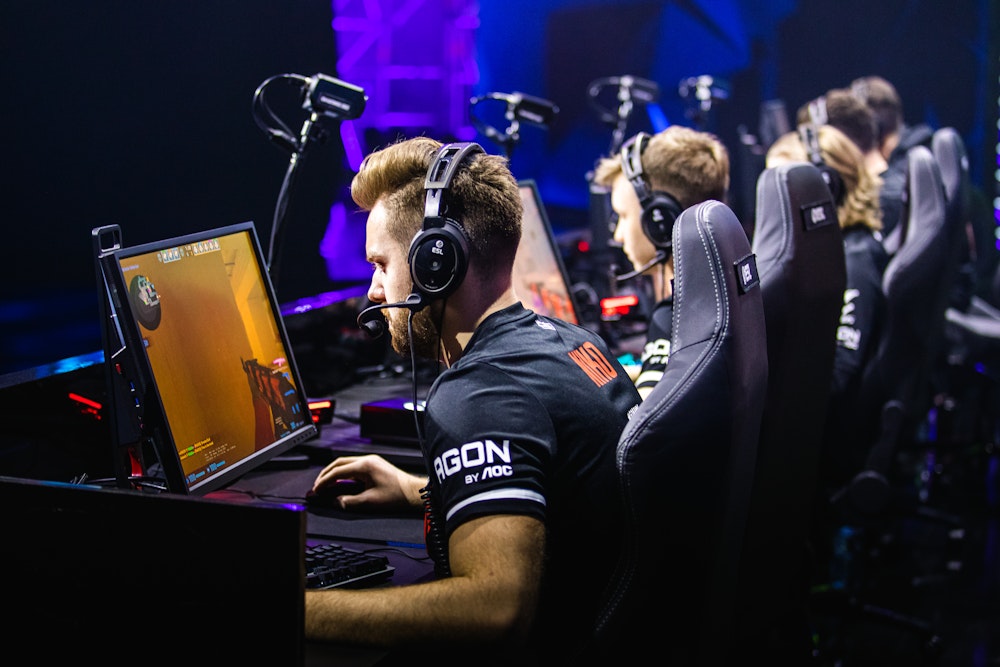
The evolution of sports has taken on a new dimension with digitalization. While physical team sports and digital (esports) team games both require competition, strategy, and teamwork, the differences between them are equally noteworthy. So how do these two worlds compare? Here’s a comprehensive analysis of the comparison of physical and digital team games.
1. Physical Strain and Endurance
Physical team sports demand muscle strength, stamina, and endurance. In games like football, basketball, or handball, players are constantly on the move and engage in physical contact.
Digital team games, on the other hand, rely more on hand-eye coordination, quick reflexes, and mental focus. The mental tempo and concentration levels remain high throughout the game.
Comparison:
- Physical games → Muscle endurance
- Digital games → Mental endurance
2. Team Communication and Strategy
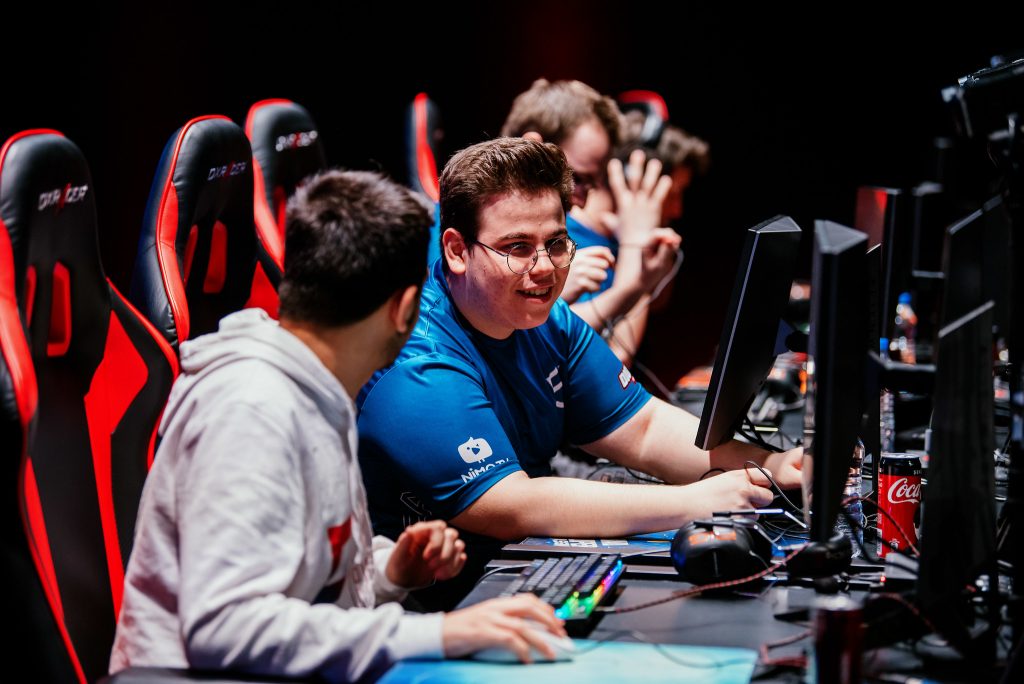
Both types of games highlight that communication is key to success, but the methods differ:
- In physical games, gestures, vocal commands, and eye contact are used for real-time communication.
- In digital games, voice chat (Discord, TeamSpeak) and instant messaging take the lead.
Common ground: Strategic harmony and perfect timing are essential for winning in both worlds.
3. Accessibility and Infrastructure
Physical team games require fields, equipment, and in-person gatherings, which can pose geographic and financial challenges.
Digital team games can be played from anywhere in the world with a computer, internet access, and the right setup.
Advantages Comparison:
- Physical games → Social interaction and physical development
- Digital games → Accessibility and speed
4. Viewer Experience
Watching a physical sport in a stadium offers an immersive, collective emotional experience.
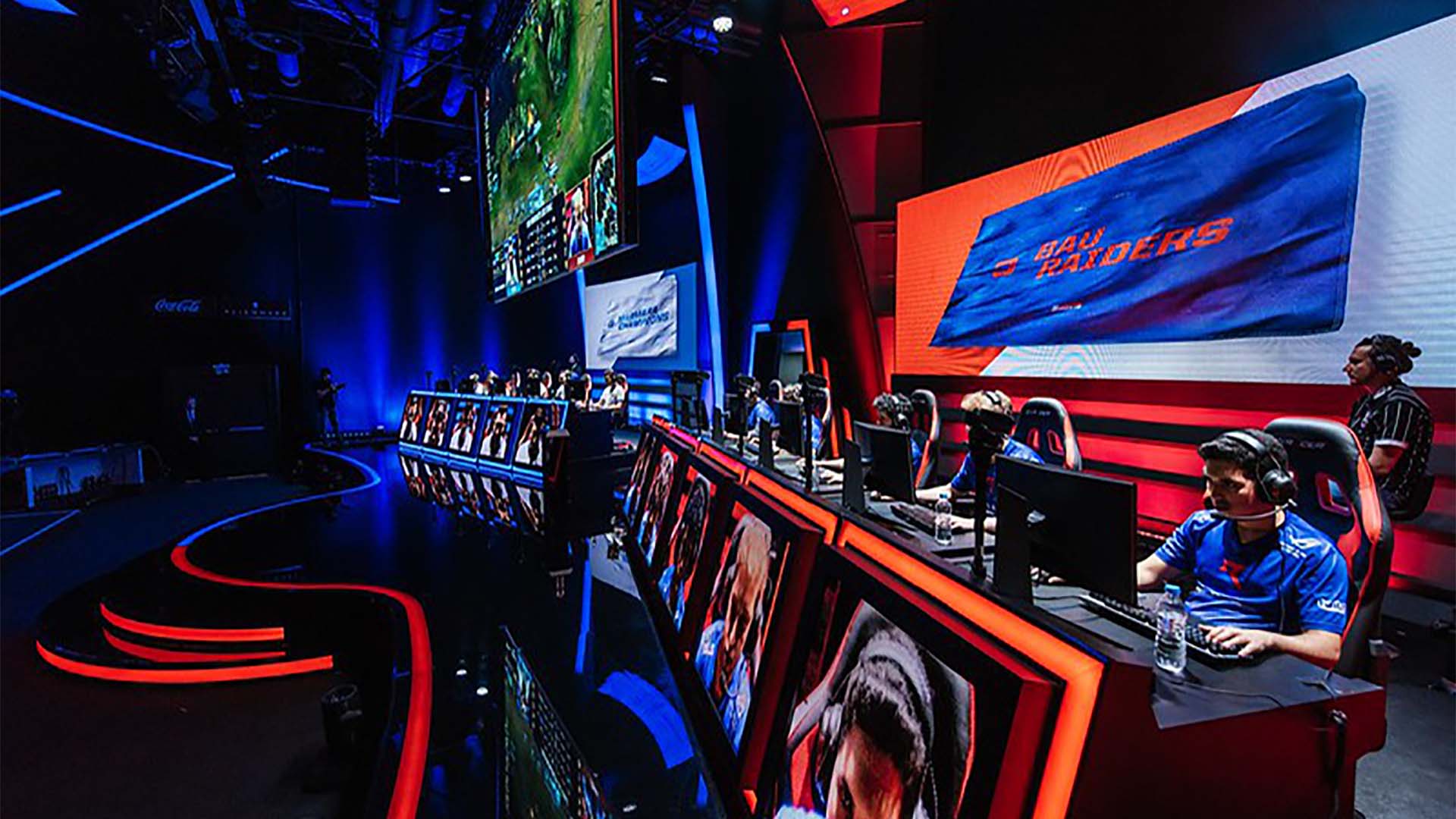
Digital games, however, bring live broadcasts to millions via platforms like Twitch and YouTube, offering interactive experiences through chats, polls, and live reactions.
Key Difference:
- Physical games → On-site impact
- Digital games → Digital engagement
Different Worlds, Shared Passion
The comparison of physical and digital team games reveals different dynamics, but the core remains the same: competition, team spirit, and the desire to win. In the future, it won’t be surprising to see even more hybrid projects that blend both realms.